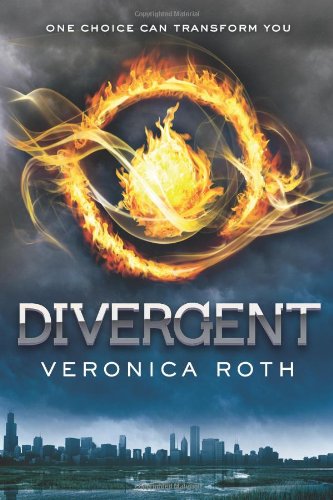
Last week, National Post's Books Editor, Mark Medely, ran an interesting article on Dystopian books Appetite for destruction: Say bye to vampires and hello to Hell-on-Earth. The monstrous growth in that genre seems to have been lead by the success of the Hunger Games trilogy and is not going away.
My favorite sections of the article were responses from Melissa Bourdon-King, general manager of Mabel’s Fables Bookstore in Toronto (which is a must-visit children's book store!) and Judith Saltman, chair of the MA program in Children’s Literature at the University of British Columbia:
The themes and questions raised in these books are more sophisticated than those found in Twilight and Harry Potter, which have an almost-childlike innocence when compared to something like the Hunger Games. “So much of what’s great about dystopian YA right now,” says the bookseller, Bourdon-King, “is that they’re dealing with issues that teens are dealing with in our world right now, but to an extreme level.” Indeed, some of the youngest readers of these books were born after 9/11; the only world they’ve ever known is one of terrorism, invasive technology, reality culture and environmental and economical uncertainty — all themes present in this new crop of books.
“It’s always easier for teens to read about big philosophical questions in mythopoeic form such as fantasy and science fiction than to see it close up and personal in their daily lives,” says Judith Saltman, chair of the MA program in Children’s Literature at the University of British Columbia. “Perhaps reading the sociopolitical metaphors here gives them the educated imagination and critical thinking to apply courage and action in their daily lives.”
Dystopians often showcase a world where you should not accept everything you are told as the truth. Always full of action, the characters learn so much about themselves as they find courage stand up for what they believe.